
Available Exclusively on Bandcamp
In 2015, I lost my brother. That same year I returned to Nicaragua for the first time in decades, and experienced a fundamental change in how I saw music and my own identity. After thirty years making house, techno, and electro, I was at the end of the road – not just personally, but musically. What I found on the way back was the music I had grown up with: the rhythms of Latin America and the Caribbean, the bass-heavy soundsystems, the music that communities have always used to survive and resist. I wrote about that journey in Cultural Resonance. System Roots is the record I made during that crossing.
The Record
Seven tracks, built between 2016 and 2022 on an Akai MPC (originally a 5000, later a Live). The starting point was my existing archive of sequences and samples from years of live house and techno performance. I would find videos of Caribbean rhythms – cumbia, dancehall, dub – and start playing along, modifying what I had to fit these new ideas. Over time, the ideas became original productions.
Two other pieces of gear defined the sound: a Roland RE-201 Space Echo: a highly sought-after vintage tape echo unit that I was lucky to borrow from a friend (thank you Nate!) – and a cheap ART TubeMP preamp used to process the bass. Both are on every track. The rest is jams on the MPC, recorded and arranged with Ableton.
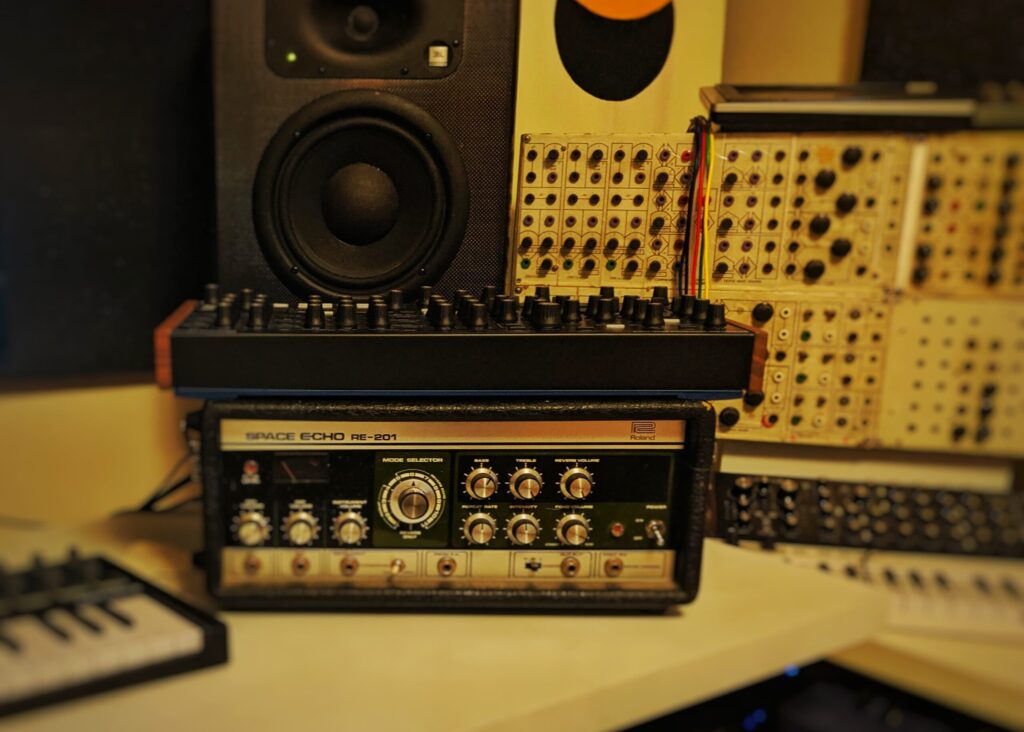
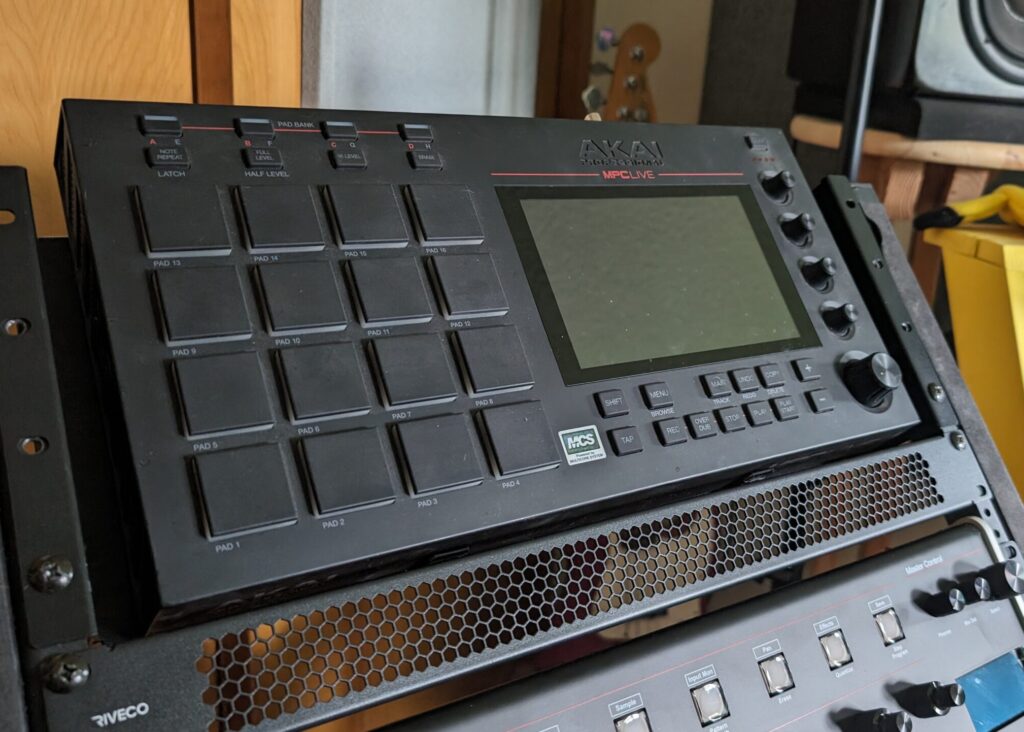
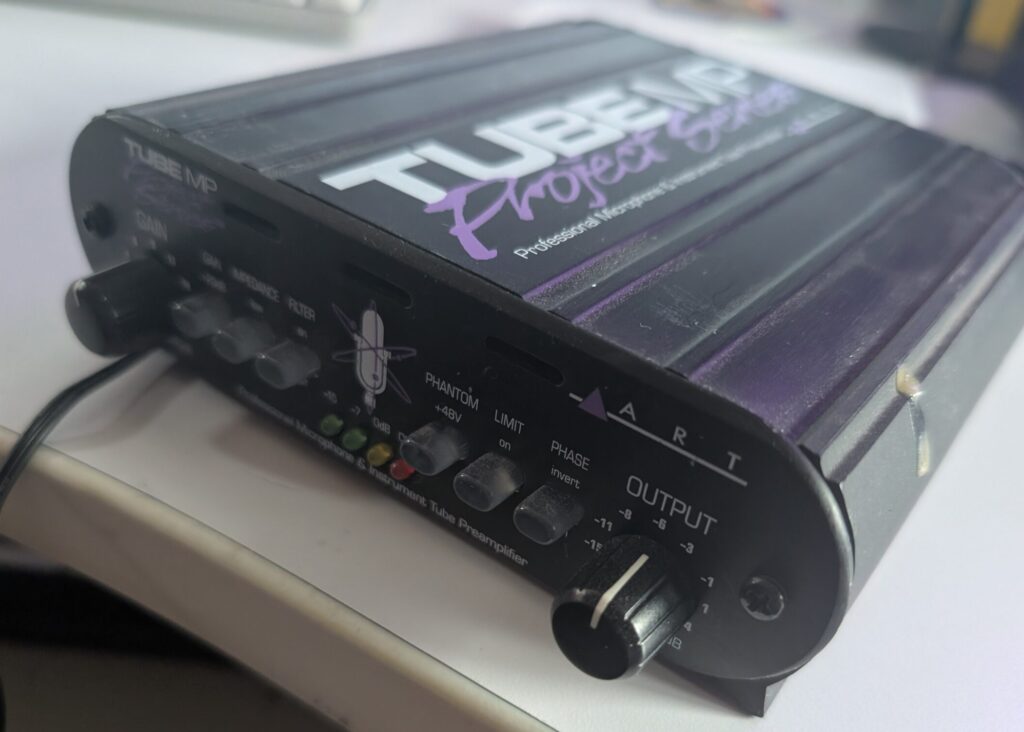
There are two common themes that run through the entire release. The personal crossing from one musical world into another, and the way culture and identity survive colonialism, displacement, and suppression not through monuments but through music, dance, and collective memory.
The Tracks
Angola Dub opens the record at 132 BPM. It’s the fastest track, and the most geographically expansive. The title references the Portuguese colonial Atlantic triangle: Angola, Brazil, the Caribbean. More specifically, it’s about what survived that triangle. N’golo, the Angolan warrior dance, was carried across the Middle Passage and became Capoeira in Brazil. I have been fascinated by how an African martial tradition was encoded in movement, and survived centuries of suppression. Made in 2016, it is the earliest track in this album.
Tribulation Dub began during the first Trump administration and finished during COVID. Meditative, with a steady 808 kick, dancehall claps, rising and falling tape echo, and a sparse melodica carrying the lead. It’s my answer to the dread of that period. It pairs with Who Will You Stand With. If Tribulation Dub is the question, Who Will You Stand With is the answer.
Coyol Riddim features dubbed-out ska drums and horns, dub-techno chords, and the Space Echo feeding back providing it’s unique textures. This song was named for the coyol palm (Acrocomia aculeata), native across Nicaragua and the Caribbean. The sap ferments into coyol wine, consumed at celebrations dating back before colonialism. I have memories of coyol wine parties on my uncle’s ranch in El Banco, on Nicaragua’s Caribbean region. Vocal samples on this track are by Z.DIMENTION, a Jamaican reggae and dancehall artist.
Jaguar Mask takes its name from a Chorotega jaguar mask I photographed near León Viejo in 2024. This mask is made with the same techniques as El Güegüense performance masks, a better known tradition that has survived 500 years of colonial pressure. Learning about the Chorotega and other Nicaraguan indigenous communities that still survive connected with a previously unnamed track I completed in 2020.
Who Will You Stand With is the most complex arrangement on the record, and the first track where you hear my own voice: “when babylon comes knockin down, who will you stand with?” A rising dub siren, driving bass, a solid steppers beat, HPF filter automation in the King Tubby tradition. Written under the weight of the first administration, finished as the second one arrived.
Rio Escondido Dub is named after the river that connects El Rama and Bluefields, two cities that run through everything Momotombo Soundsystem does. I lived on a secluded community called El Banco that was an hour by boat from El Rama. The song started with the four-on-the-floor kick and syncopated snare, the melodic dub bass evolved as a response to the electronic horns. You can hear the Space Echo rising and falling like the water of the river through the song.
The Dance closes the record and is also its closing argument. The most recent track (2022, arranged in 2025), upbeat and danceable, with a synthesized guitar sound influenced by the African diaspora guitars found in Champeta from Colombia, Chinamera from Nicaragua, and the psychedelic sound of Cumbia Amazonica. This track is a statement of how music, dancing, joy and celebration are part of who we are – and a survival mechanism in our current era.
What’s Next
A remix EP follows in about six weeks — four artists have already confirmed and stems are out. After that, there is a new release with Mr. Lion and José Sanders with Dancehall and Chinamera tracks Summer of 2026. Both represent something I want to do more of: making space for artists from Nicaragua’s Caribbean coast whose music deserves a wider audience. Stay tuned for live appearances in the Portland area and beyond!
The crossing isn’t over. System Roots is the record that marks where it started.