I’ve been heads-down in the studio this winter, and it feels like the right time to come up for air and talk about what’s coming.
I have a new album called System Roots just about finished. Promotion on it is about to start. It’s 7 tracks recorded from 2016-2022, and it really is a chronicle of the evolution of Momotombo Soundsystem. I wrote these tracks while exploring new musical directions, evolving away from producing house, techno and other dance genres. While that production style is still very present in this release, it is a bass-heavy, soundsystem centered set of tracks very much shaped by my own learning, the times we are living through, and a search for a musical identity.
I also have a follow-up to last year’s Riddims + Dubplates collaboration with Nicaraguan vocalist Mr. Lion. I have a new dancehall cut with a great vocal from him completed, and will be out this summer.
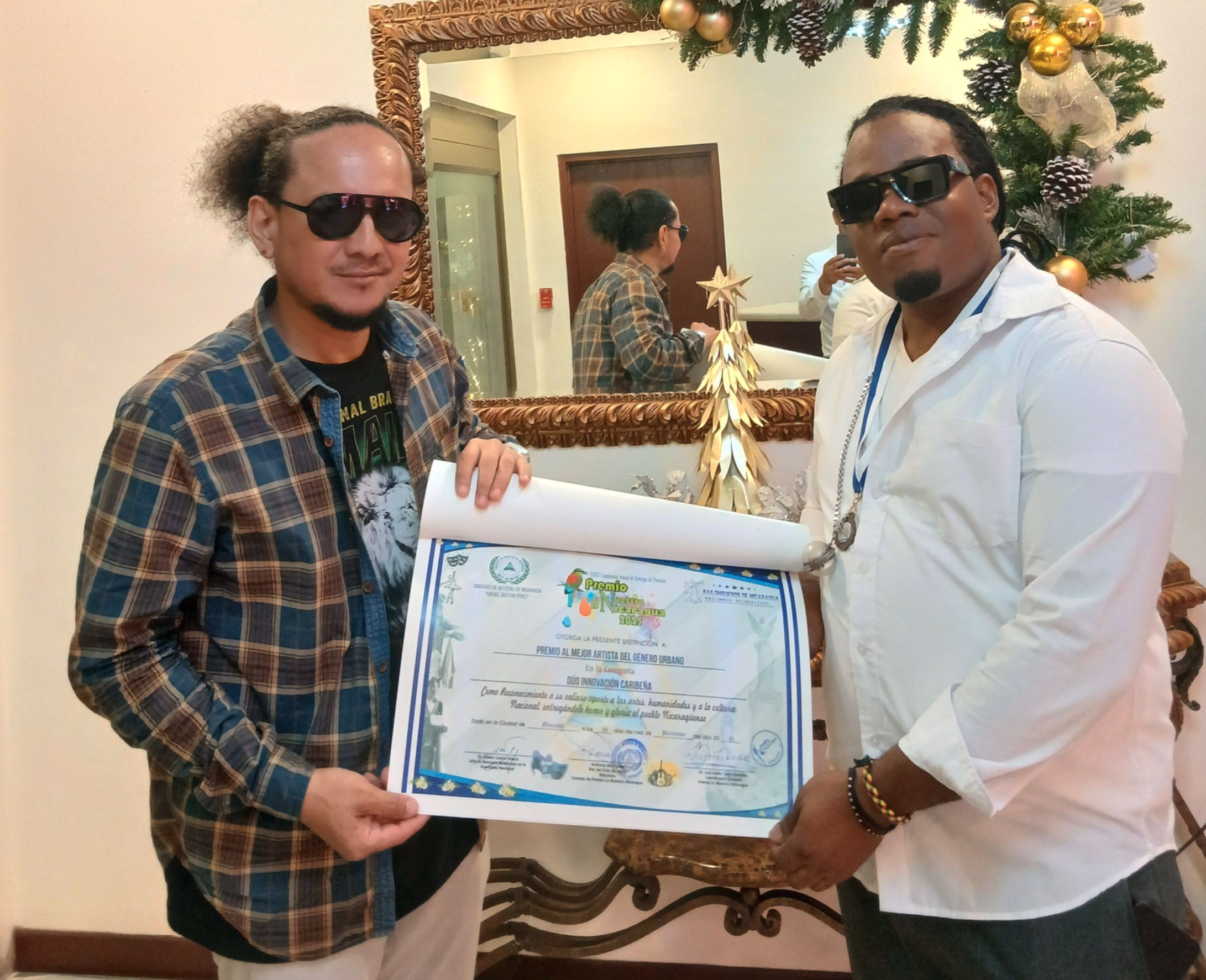
And congratulations to Mr. Lion and his music partner Papa Bantam won the 2025 Nicaraguan Best Urban Artist prize last year for their work as Innovación Caribeña.
I’m also very happy to have connected with one of my favorite Miskito musicians – Jose Sanders of Caribbean Boys. I’d been following his music for several years, and had the opportunity to connect with him both as a friend and musical collaborator through the work I did on Beyond The Bassline.
I continue to be very inspired by Chinamera, a genre I find genuinely exciting — an emerging sound from the Mining Triangle region of Nicaragua’s North Caribbean Coast, rooted in Cumbia, Soca, Dancehall, and Palo de Mayo. It’s music that’s been evolving in relative isolation, and it doesn’t get nearly enough attention outside of Nicaragua. It’s been finding its way into my production in ways I’m still figuring out, and I think that’s a good sign. More details on all of this as it comes together.
I’m gearing up to perform this spring and summer, and I’m actively taking bookings for 2026. DJ sets, live electronic performances, festivals, community events — if you’ve been curious about what Momotombo Soundsystem sounds like in person, now’s the time to make it happen.
On Speaking Engagements
Something I didn’t expect: the presentation I gave at the National Association for Chicana and Chicano Studies conference last year — “Beyond the Bassline: Soundsystems as the Infrastructure for Identity and Resistance” — was genuinely well received and generated a lot of conversation and interest afterward. Enough that I’ve decided to expand into speaking engagements alongside the music work.
I’m available to speak about soundsystem culture and history, the musical traditions of Latin America and the Caribbean, DIY soundsystem construction, and the deeper story of how communities have used music and gathering as tools of resistance and identity. It’s a subject I’ve spent years researching, and it connects directly to everything I do with Momotombo Soundsystem.
Why This Feels Important Right Now
There’s are lot of difficult and painful narratives circulating right now about Latin American, Caribbean, and other immigrant communities — and most of it focuses on struggle, on tragedy, on crisis. Those things are real, and they matter. But they are not the whole story, and they are not even close to what our communities are about. We came to this country out of struggle and hardship. We work hard, and we build community everywhere we go. And music, celebration, and dancing is at the core of it.
The music I play and produce comes from communities with centuries of profound cultural creativity. Cumbia, Champeta, Chinamera, Dancehall, Plena, Salsa, Afrobeat — these aren’t footnotes to someone else’s history. They are living traditions, continuously evolving, full of humor and grief and desire and brilliance. The soundsystem cultures that carry them — the picós of Barranquilla, the sonideros of Mexico City, the chinamos of Nicaragua, the original Jamaican sound systems — represent some of the most inventive, resourceful, and genuinely joyful cultural infrastructure ever built by people who had to fight for it every single step of the way. The cultures and music themselves are protest – a loud cry for identity, independence, freedom, and shared connection.
Our struggles do not erase our value, our joy, or the richness of what we’ve created. A dance floor where people are moving to this music is not an escape from that reality — it’s an expression of it. It’s a reminder of what’s worth protecting. That’s what I’m trying to bring to every set and every stage this year.
If you’re interested in booking a DJ set, a live performance, or a speaking engagement, head to the contact page or email momotombosoundsystem@gmail.com. I’m especially interested in festivals, cultural events, and community gatherings — and I’m always open to talking about benefit shows and community-oriented events on a sliding scale.