
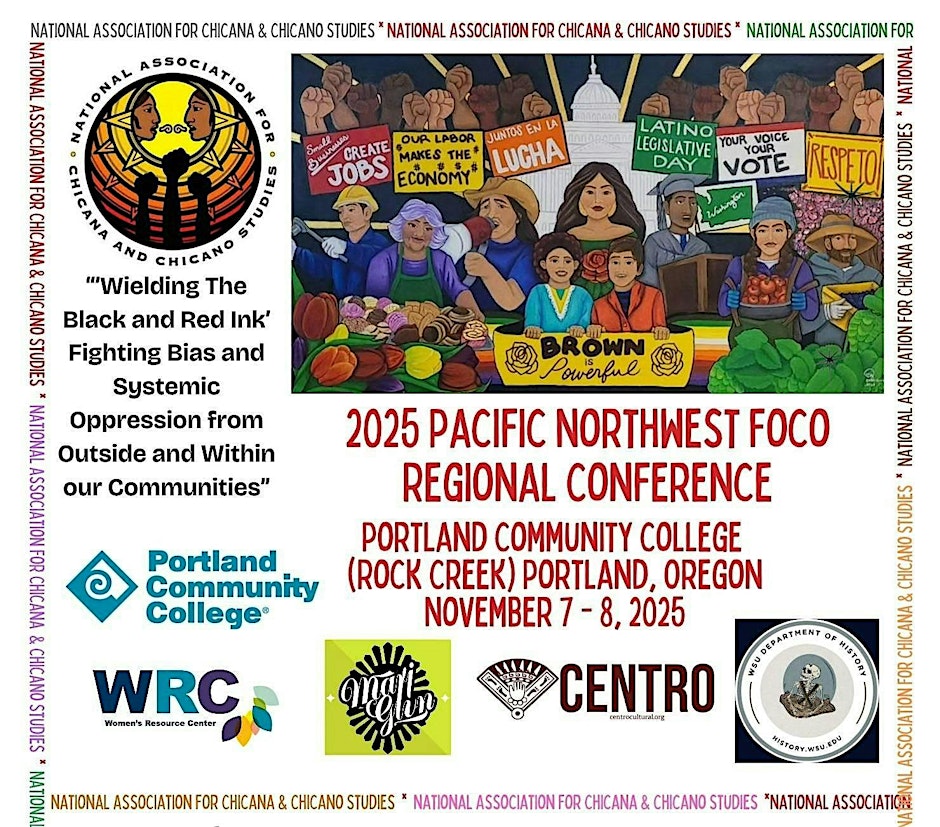
This post is an introduction and personal narrative about what I will be presenting at the NACCS 2025 PNW Foco, November 8th at PCC Rock Creek Campus. My presentation shares this title with this post, and focuses on how Soundsystem culture manifests across Latin American, Caribbean, and other Afro-descendant cultures as a response to exclusion, oppression or persecution. If you are interested in attending, registration is free here.
Late 2013
I was at one of my own events. I’d booked a competing promoter as a show of goodwill, hoping to bridge the divisions in Portland’s small electronic music scene. We got to talking about the competitive nature of event promotion in the city.
“It’s a soundclash, Jamaican style!” he said, grinning.
I mentioned that soundclashes are communal events – many sounds, selectors, and deejays come together. The competition is exclusively musical, not territorial.
“Deal with it,” he said. “It’s a competition. We’re winning.”
I dealt with it. I’m Latino, from Nicaragua, based in Portland. They were winning.
Soundclashes are about coming together to compete musically, not shutting each other out. But that wasn’t how Portland’s electronic music scene worked. The bigger crews had the venues locked down, the touring artists secured.
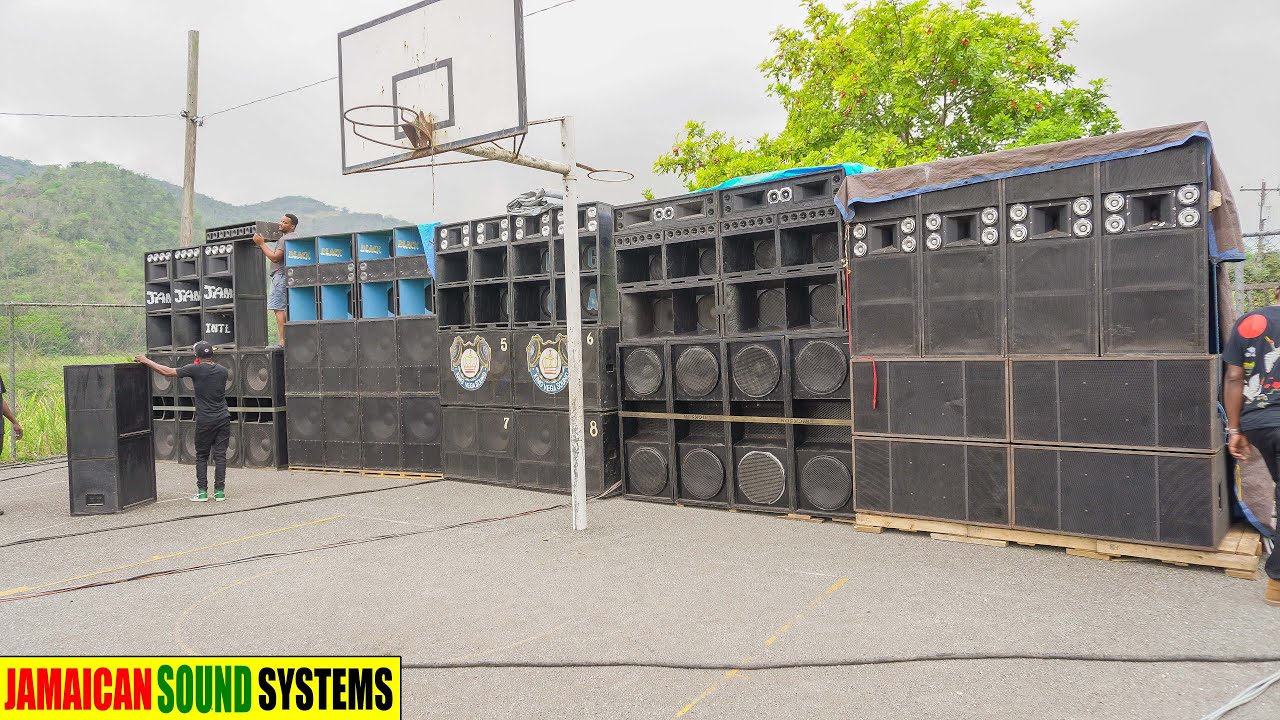
Multiple soundsystems in the same yard.
Nude photo music and closerpdx
By this time, I’d launched Nude Photo Music, named after the influential Detroit Techno record by Rhythim is Rhythim. I was running monthly events in Portland, playing live electronic shows, playing DJ sets, and releasing music. I attended the Decibel electronic music festival in 2010, 2011, and 2012. In 2010, I approached them wanting to do a showcase for my label – many other labels and promotion crews did showcases there. I tried again in 2011, pitching a Closer showcase or collaboration. Nothing.
In 2012 and 2013, CloserPDX hosted the official west coast pre-party for Detroit’s Movement Festival – probably the most prestigious and longest running techno festival in the US. I had personally done production and remix work with Swayzak, Mark Bell, Jonah Sharp, and Chris Fortier. I’d founded CloserPDX, an electronic music festival that showcased over 50 artists, brought in John Tejada and Monty Luke, and hosted educational panels.
People kept asking why I wasn’t doing anything with Decibel. The organization never engaged with me. Emails went unanswered, calls never returned. Incidentally – the name “Closer” itself originated because it was in Portland – and simply closer than Seattle.
CloserPDX music festival park parties
Each year we organized a free daytime party in a park. We’d set up a sound system outside – open to anyone. These were some of my favorite events. Not a club environment. The people enjoying the music weren’t club goers. Families. People at the park. Homeless folks. Even park rangers who came not to shut us down but to enjoy the music. I had an old, beat-up small set of speakers and a subwoofer. I’d borrow additional powered speakers from friends, and borrow a generator from another friend. We’d communally assemble a system.
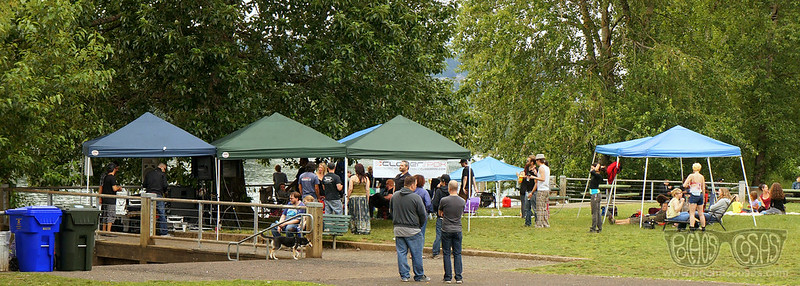
Closerpdx Park party 2012
Photo by Pocho’s Cosas
My music partner at the time – we had a DJ duo that was working well – got a booking at Decibel in 2013. He went solo. Did not include me.
2014-2016
In 2014, I pulled back. My younger brother had been imprisoned for immigration reasons since 2009, and despite our best efforts and thousands spent on lawyers – he was deported in 2012. In 2013, he began to experience some serious health challenges. He had late-stage cancer. His original symptoms had been apparent while he was imprisoned, but healthcare was not available for inmates. He didn’t realize the severity until later. I began financially supporting his medical expenses and living costs. The events continued without me – my former partner took the name, booked his own events. I wasn’t a part of it anymore.

Sometime in October or November, I just pulled the plug on it officially. I asked my partner to no longer use the name, and pulled the website down. I also wound down my label, sadly leaving a couple great releases in limbo.
December 9, 2015: on a plane to Nicaragua.
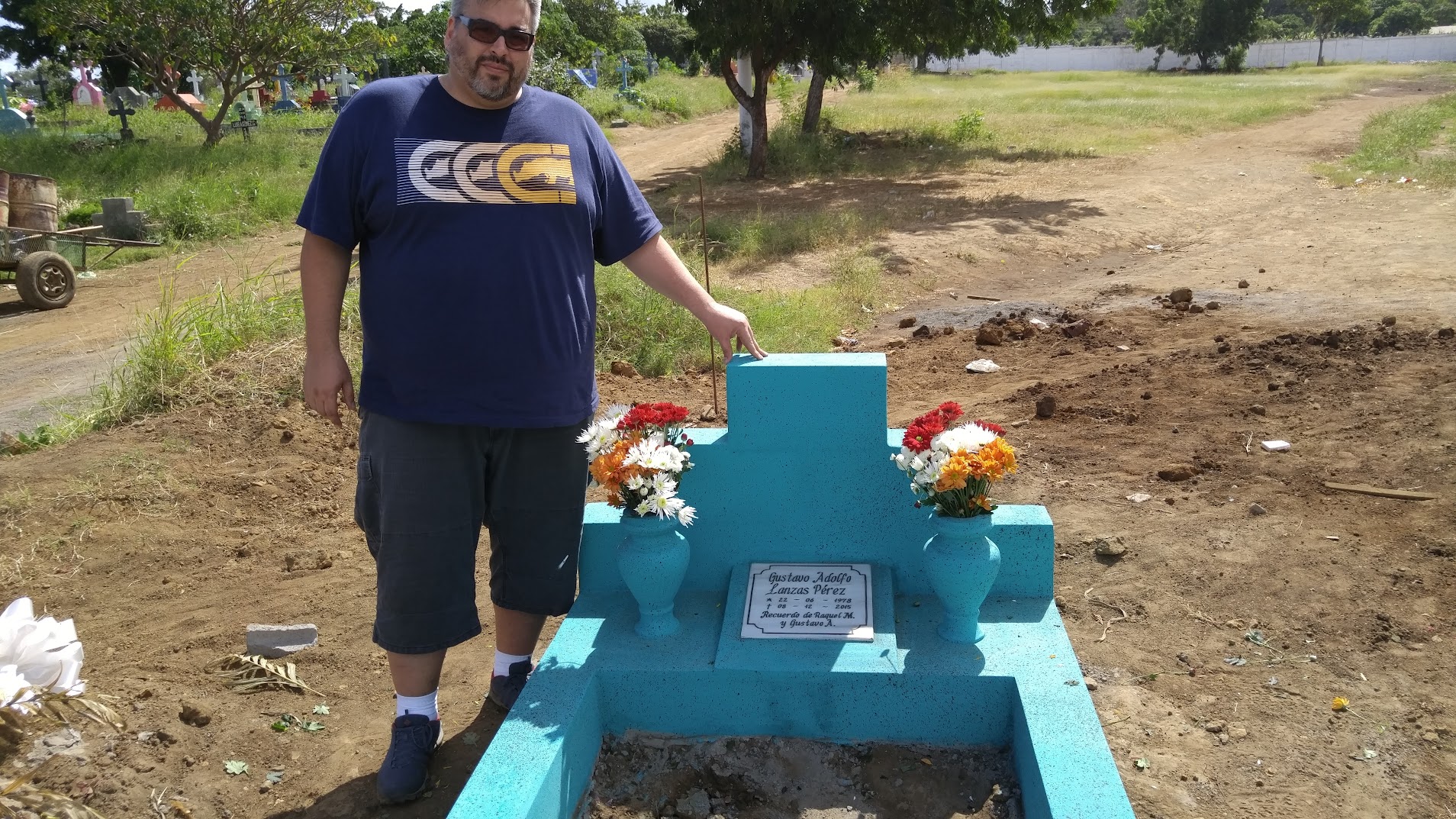
Gustavo Adolfo Lanzas Perez – june 22, 1978 to dec 8, 2015
My brother passed away from his cancer in the early morning. I didn’t make it in time to see him. He passed while I was on the way to the airport. I was able to visit his freshly filled-in grave, but was not able to see him before. At least, we were able to talk the night before I left.
It was my first time back in 32 years. I was grieving. But even so – being back in my little country filled my heart in ways I did not expect. My family, the food, the sounds, the people, and the music. It felt like home in a way that hit me like nothing before. I never chose to leave my country – my father took me to flee danger and persecution, leaving everything behind. I did not realize until I returned what had been taken from me.
March 2016: I lost my job
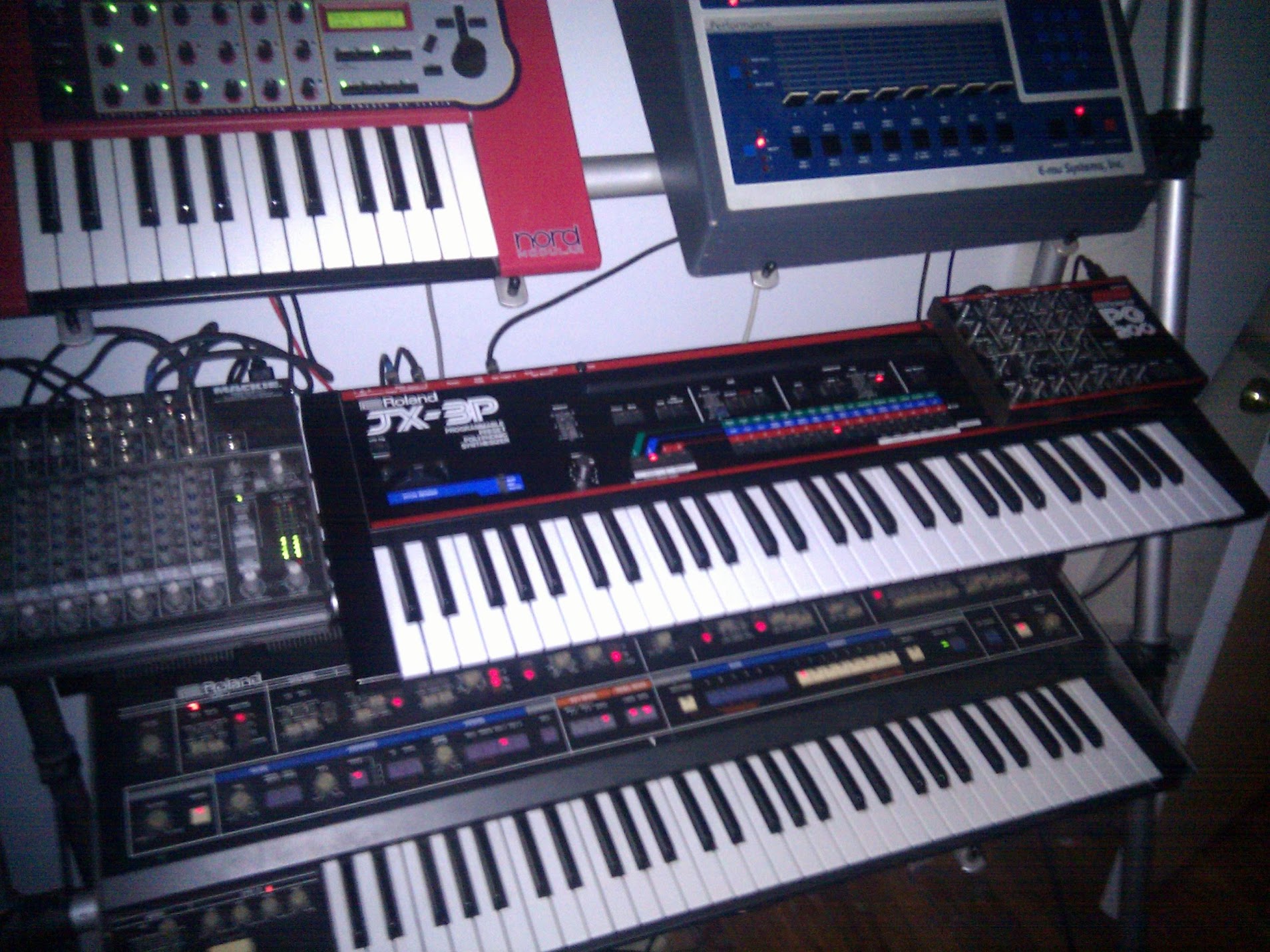
I had a house, two young children. Over the following months I sold off my collection of vintage synthesizers and music equipment – various Rolands, Korgs, drum machines, samplers, effects processors. Gear I’d spent years accumulating. The speakers and the subwoofer from those park parties – those went too.
I continued watching videos from Nicaragua. Thinking of music I’d heard growing up but had left behind when we came to the US. Cumbia. Reggae. Dancehall. Caribbean sounds from the Atlantic coast.
And then – I found videos from Bluefields Sound System, a recording studio that had operated on Nicaragua’s Caribbean coast from 2004 to 2016. They’d documented elder songwriters like Mango Ghost and Sabu. They’d trained young artists. They did so much with so little. It inspired me to find some way to reconnect with Nicaragua; to find a way to integrate my music with my personal history.
One of the artists featured in those BSS videos was Keneth Leon – “Mr. Lion.” In 2012 videos, he was in his mid-twenties, already six years into his work with BSS. He dominated rap battles with rapid-fire freestyles. He talked about being a “cultural ambassador.”
2016 – Trying to rebuild
In September of 2016, I tried to rebuild. Started a boutique analog rotary mixer company. I had experience building and repairing electronics, so I applied myself to designing a DJ mixer. I built a 3-band isolator, a phono preamp, and filled with ideas – I attended NAMM in LA as a guest of Elektron, with my good friend Chelsea Faith Dolan.
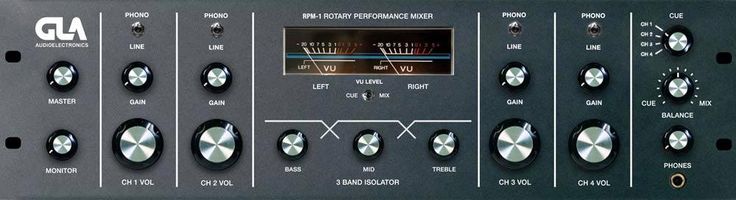
GLA RPM-1
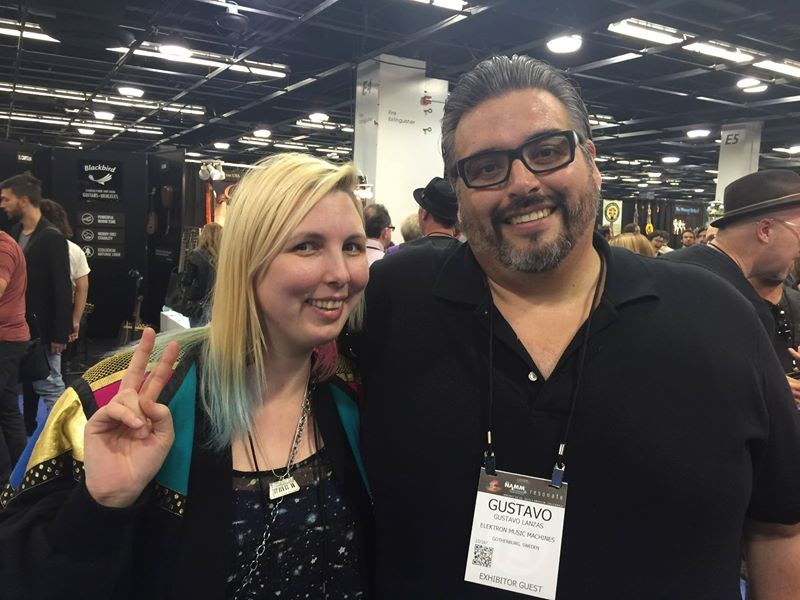
Nerds at namm
December 2, 2016: The Ghost Ship fire in Oakland. Thirty-six people were killed at an electronic music event in an artist collective warehouse. Among them was Chelsea, who’d released the last official music release on Nude Photo Music. Not only had she released on the label, we had a long-time friendship built on playing live shows with synths, samplers and drum machines going back to the 1990s and our time in San Francisco. We became good friends, and I was deeply honored to have her consider me a mentor for developing her musical skills. She far, far surpassed me.
I lost other friends that night. People I’d worked with, danced with, laughed with.
The mixer company didn’t happen.
What I Found in Those Videos
I found a lot of comfort and joy in the videos from Nicaragua I was discovering on YouTube. The rural landscape of Nicaragua’s Atlantic Coast, the Caribbean voices – it took me back to my time living on the banks of the Rio Escondido after the Nicaraguan revolution. It reminded me of wide-eyed trips to Bluefields on a small boat, following the current on the big river, returning loaded with fish, sugar, fabric, pillows, or whatever else, motor straining to push us back against the current.
In particular, videos from Bluefields Sound System, which had been the first recording studio on Nicaragua’s Caribbean coast. A region that’s marginalized within an already-marginalized country. The founders, Edwin Reed-Sanchez and Alexander Scott, built it because their community needed it. They weren’t trying to compete with Managua’s studios or break into international markets. They were building infrastructure.
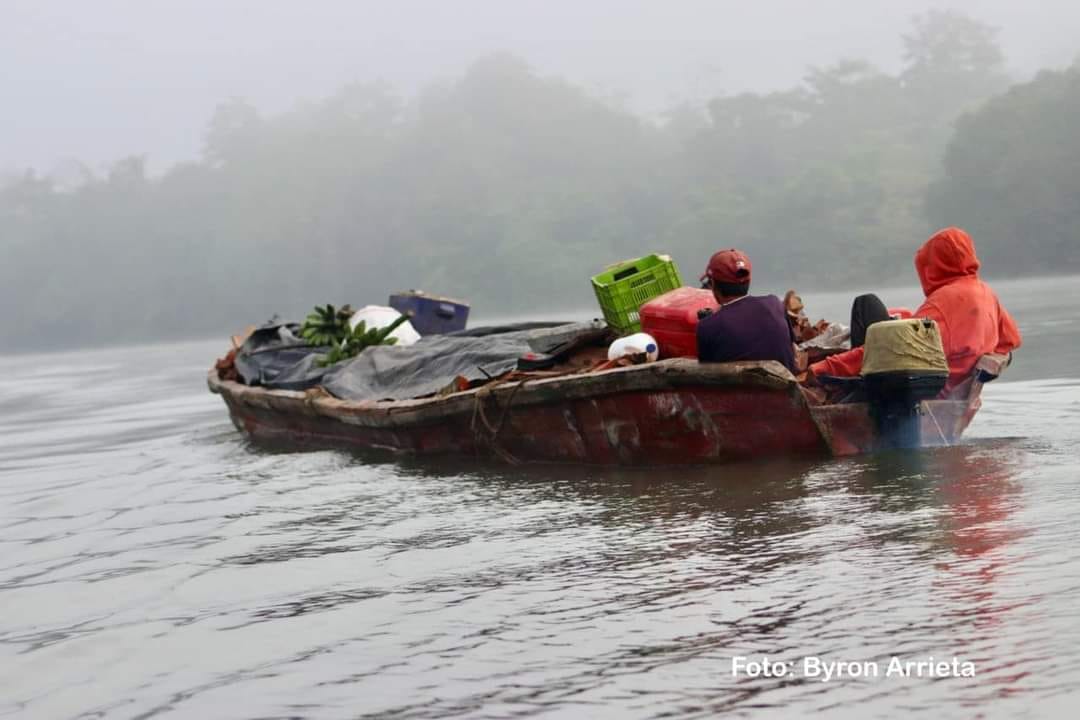
a loaded boat on el rio escondido
Photo by Byron Arrieta
They recorded elders before their legacies were lost. They taught young people audio production, video, graphic design. They revived Palo de Mayo music that hadn’t been promoted since the 1980s. They trained artists to be cultural ambassadors. I was in particular drawn to a young artist, with a distinct Costeño accent, and a unique, rapid-fire Caribbean delivery.
In those videos that I was watching in 2016, Mr. Lion had already spent years doing this work.
I had tried to get into the system here, over and over. Meanwhile, in Nicaragua, they had been building their own.
BSS closed in 2016 – the same year I found those videos.
2016-2024: Building
Patrick Frye – a good friend who’d released music on my label as Centrikal – had an idea. Build a small modular sound system. Something we could split between us, store separately, put together for events. It never happened, but he planted the idea sometime in 2016.
I started looking at soundsystem photos. Reading about them. Visiting freespeakerplans.com and the live sound forums on diyAudio. Collecting images on Pinterest. I found boutique makers in Europe. They weren’t quite what I was looking for. I couldn’t find someone in the US, and Caribbean and Latin American builders did not have the infrastructure available to ship something to me. At the time, I did not have the skills to build something from scratch.
At the same time I was learning about cumbia. Discovering Colombian genres like Champeta. Rediscovering Nicaraguan music like Palo de Mayo. Watching those Bluefields Sound System videos. Following Mr. Lion’s career online. Watching his energetic performances on the Palo de Mayo stage each year, on Nicaraguan TV shows, and shaky phone videos where he battled other Nicaraguan rappers with rapid-fire wit and tight rhythmic delivery.
Miniscooper
Sometime in 2021, I found Miniscooper. A builder in Poland making small, hand-crafted systems. The design and aesthetic of his systems appealed to me. He had taken popular speaker designs originally by American companies like JBL and Electrovoice in the 1950-60s, later co-opted by Jamaican builders and cloned or evolved, and scaled them down to a miniature size.
Big enough to provide music for a house or back-yard party, but small enough to be moved by one person. I had no one else to work with, so this really appealed to me. I ordered the System 1, but with two subwoofers.

Miniscooper system 1
first shows
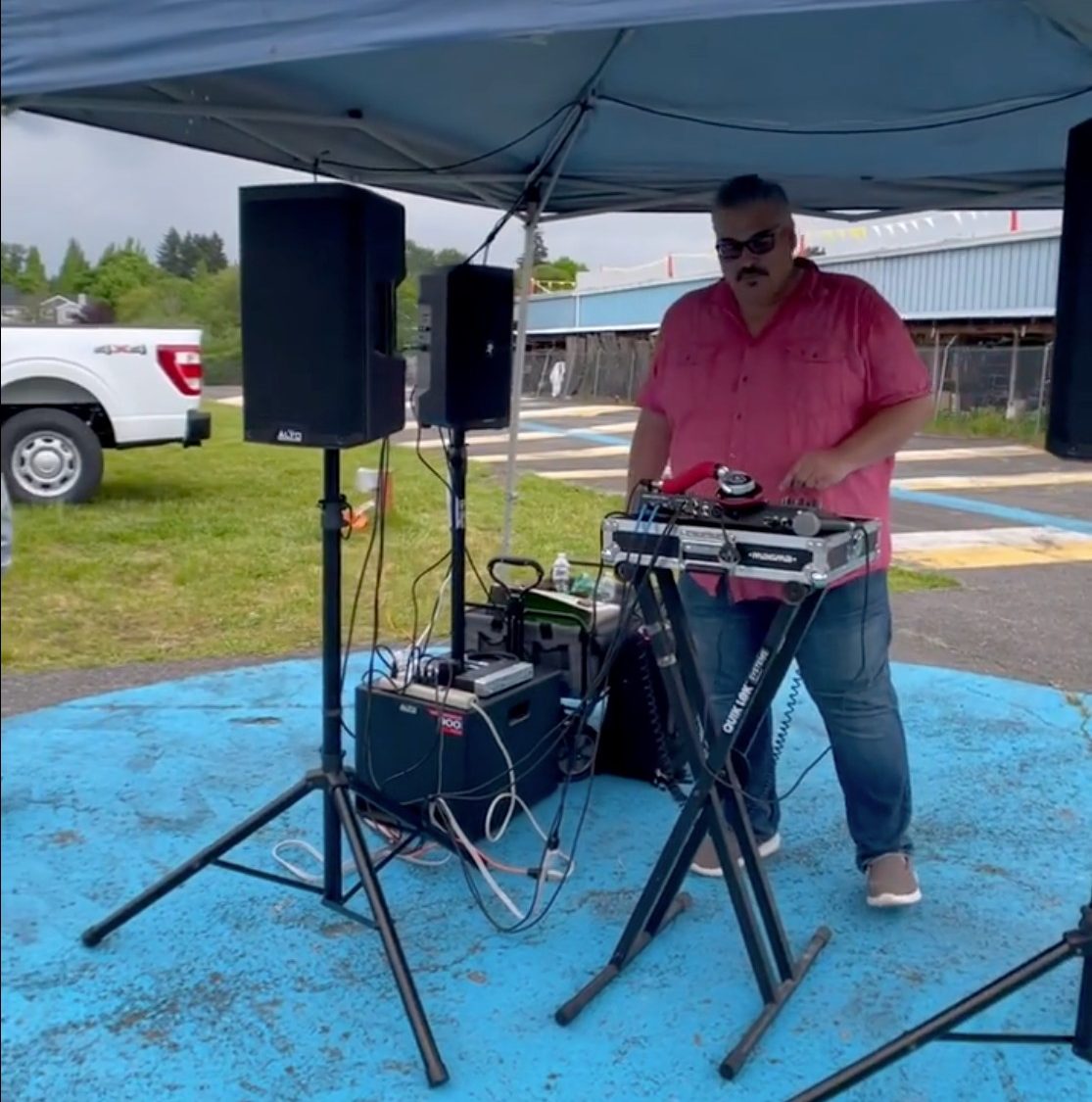
First event as Momotombo soundsystem
In 2022, I reached out to the city of Tigard. I pitched the mayor on some park events similar to what I had done for Closer. He passed me on to a community liaison, who was enthusiastic about working with me. My first performance as Momotombo Soundsystem was the grand opening of Universal Plaza in downtown Tigard. I didn’t have my custom system yet – I used small commercial monitors I’d purchased.
Conversations with the city led to an invitation to be the official DJ of El Tigre Fest, the city’s new festival celebrating Latino and Hispanic heritage. On October 3, 2022, I was very excited to receive a large vinyl banner with “Momotombo Soundsystem” printed on it, and on the 14th & 15th, I performed at the festival with my good friend Rafael Zevallos-Crowe, an Ecuadorian DJ I had been friends with for many years, and done many music projects with previously. Our sets were extremely well received, and the sense of connection and community with the people of my city was palpable.
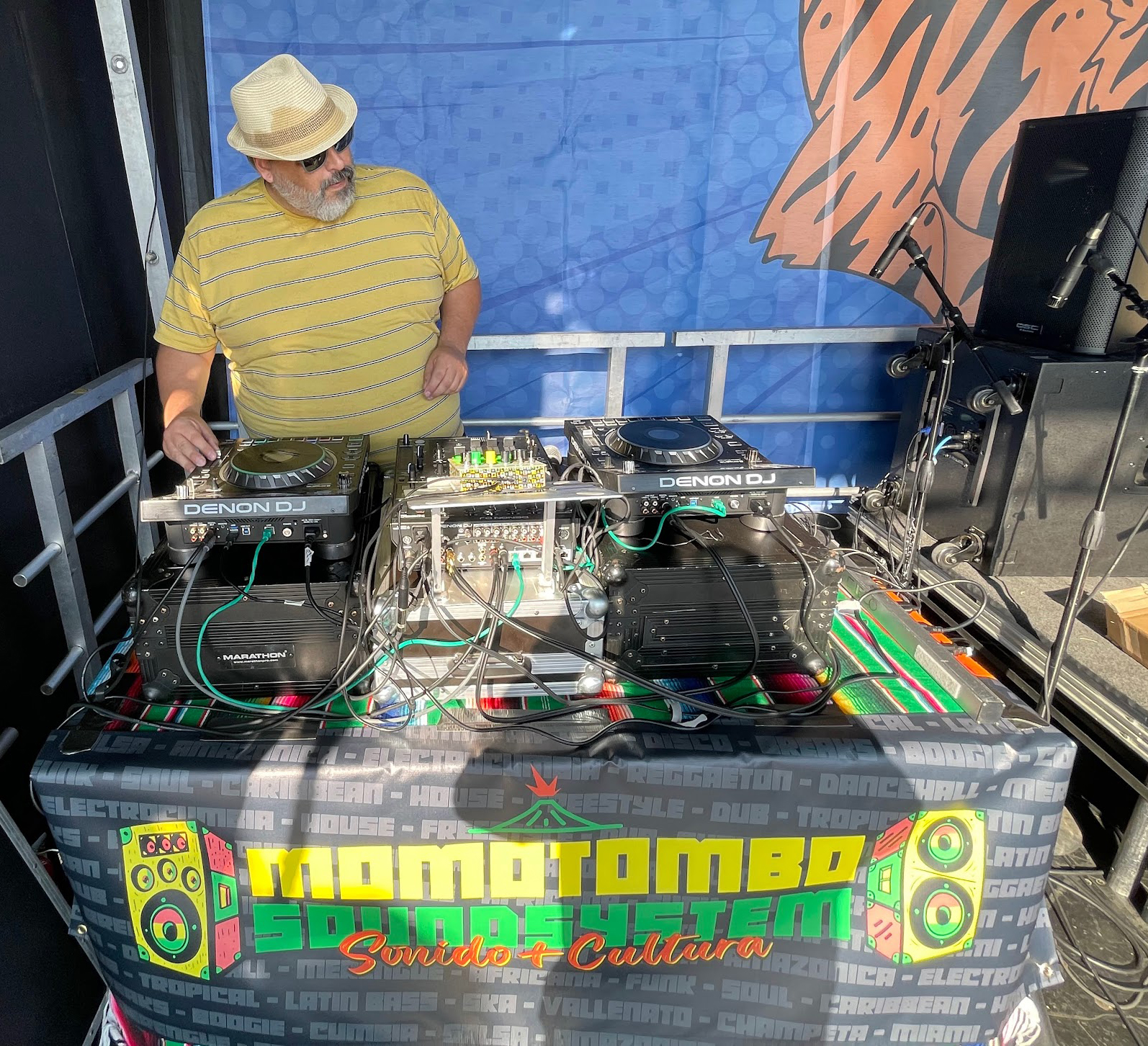
El tigre fest 2022 – and my banner!
Feeling energized from the festival, I took the money I had saved up and what I earned from the festival, and ordered from Miniscooper.
It took Artur – the man behind Miniscooper – until late 2023 to finish. He shipped it flat-packed from Poland. I would assemble it myself. Shipping assembled speakers would have been too expensive. I was not upset or frustrated with Artur taking this long – he was one guy building systems in Poland, trying to launch his company globally, and welcoming the birth of a baby during that time.
June 26, 2023: Monday. The system arrived.
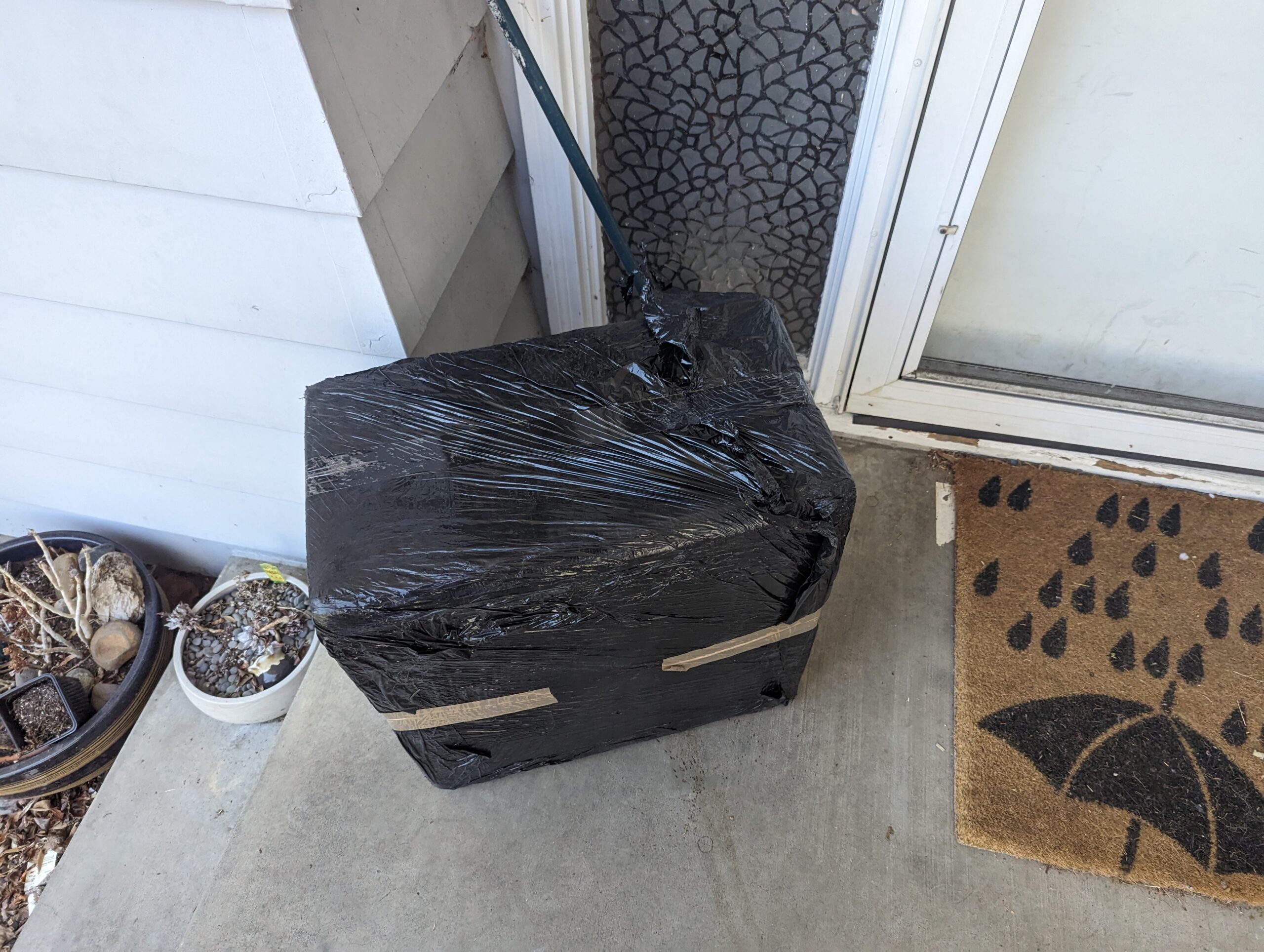
The system arrives!
Through the winter of 2023, I built it in my office. A small bedroom that doubles as my music studio. Hand-wiring. Assembling the cabinets. Testing the drivers. The preamp Artur had sent didn’t really work like I wanted, so I redesigned it and built a custom one with much improved specifications. I was excited to learn as I built the system.
Spring 2024: The system was finally built and playing music.
Building the system was a learning process, and also filled with rewarding moments. Finally assembling it all, understanding how it works, and many afternoons sitting on my deck playing music, enjoying the sound of speakers I had built with my own hands.
The little system continued to evolve and grow, and while it looks different now – the spirit of it, the joy it brings me, and the pleasure of listening to my own original music on a system I now redesigned and built is a huge source of inspiration.
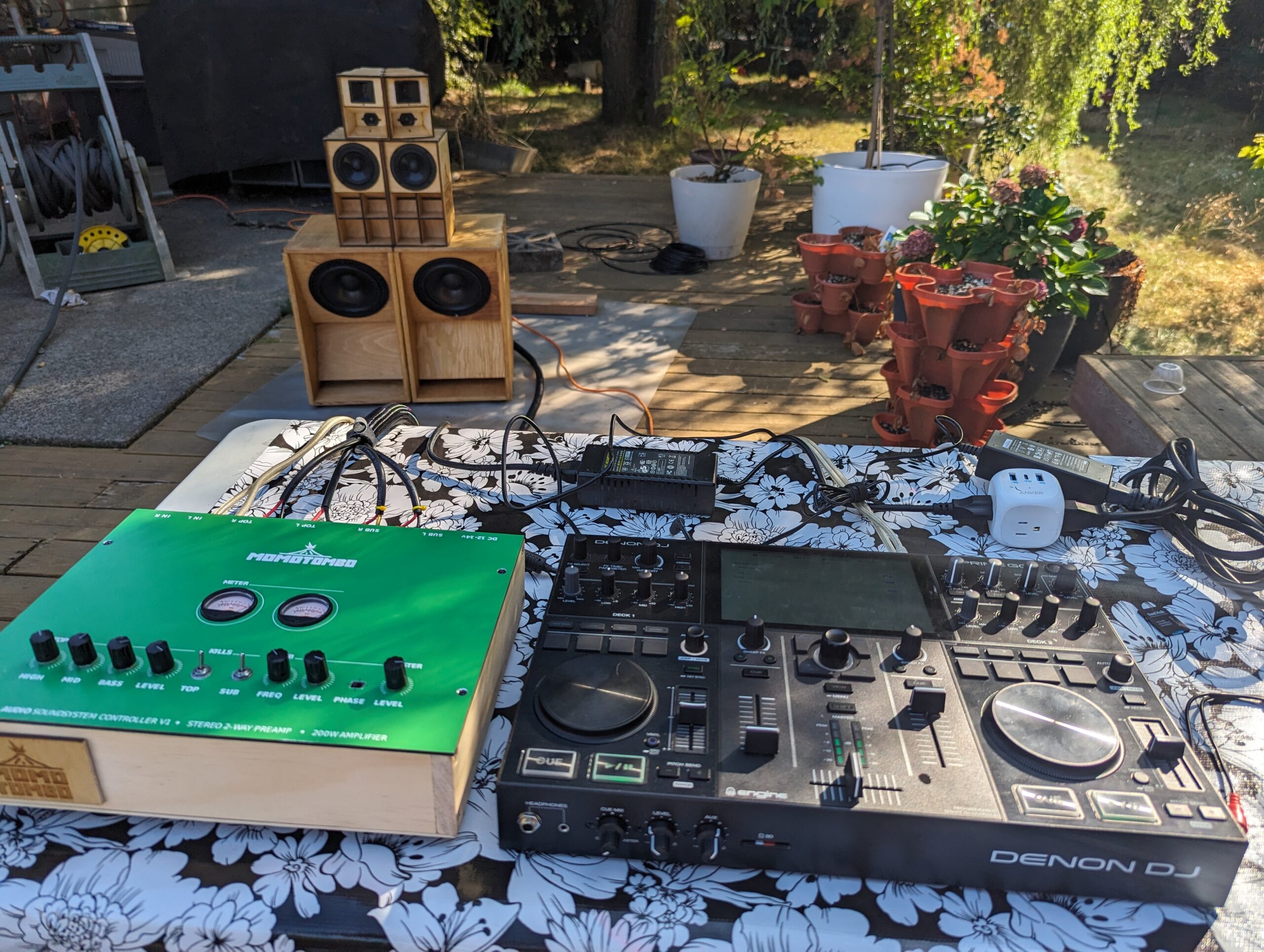
My little system and custom preamp, on my back deck
Mr. Lion
During this time, I had kept following Mr. Lion’s career. He released music with many other Nicaraguan artists, frequently working with Papa Bantam, who in 2025 became the lead singer of Dimensión Costeña for their European tour, replacing Anthony Matthews who was unable to perform due to age. In 2022-23, working with Nicaraguan producer JMartinez, Mr Lion and Papa Bantam formed Innovación Caribeña. They released an album called “Natural Love”, and followed up with many national stage and TV appearances. The album received strong support from Costa Rica radio stations, and even found some traction in the US. I incorporated several of the tracks into my DJ mixes and sets. In 2022, Mr. Lion won two national awards: Best Composer of Nicaragua, Best Artist of the Caribbean of Nicaragua.
He didn’t need BSS to continue being a cultural ambassador. The infrastructure had done its work.
Small speakers. Hand-wired electronics. Learning cumbia, Caribbean rhythms. The music I’d grown up with but had left behind trying to make it in European-dominated electronic music scenes.
Eight years from selling those park party speakers to building this system. Eight years following Mr. Lion’s work.
July 2023: taking my family to nicaragua
I took my wife and kids to Nicaragua to meet my family, especially my grandmother. The trip was wonderful – getting to introduce my American children to their heritage. Re-visiting El Tránsito, which remained a small village, but had experienced a lot of gentrification and has become a surf destination for mostly Americans.
It was obvious to me that this new element was not really benefiting the local population, as the new hotels, cafes, restaurants, and shops were far above the means of the locals. We arrived in El Tránsito late on July 18th, the night before the July 19th celebration of the Sandinista revolution in 1979. We checked into our rooms, and walked to the town to find some dinner. However, all the restaurants were closed. We found a small pulperia (small store) and bought some bread and other snacks. When the lady working there heard we didn’t have dinner, she immediately invited us to come eat with them at their house. They would make us food, and make room for my entire family. I was deeply moved and grateful at this gesture, something that would be hard to find in the US.
In the conversation, they discovered who I was – the grandson of Santiago Perez, who had lived in that town his entire life, and was a larger-than-life personage loved and liked by everyone there. After that news spread, I encountered many people who remembered me as a child, and some who I remembered playing with as a child myself. And the next day, during the celebration, after the political speeches and religious blessings were done – the soundsystem came out, and everyone gathered and danced. It was not the same red box I remembered, and the location was now a covered public space with a small concrete stage and metal roof – but the sound was the same. Cumbia, Salsa, Reggae, Rancheras, Palo de Mayo, and even some 70s disco and rock.

La cancha (the court) – public space in el transito

restaurante & dancehall el buen gusto
I spent 4 days in El Tránsito with my family, and I revisited a particular dancehall from so long ago. You can read about that experience here. It’s still there – the thatched roof is now corrugated steel, and the old red speaker was now a large professional sound system with a stage and dj booth, but the floor was still sand-covered flagstone and dirt. The breeze-block low-walls that enclosed the space were the same, and I knew that on warm nights, cold beer and rum would flow, bodies would move and music would fill the air. Echoing that same joy I remembered from so long ago.
October 2024
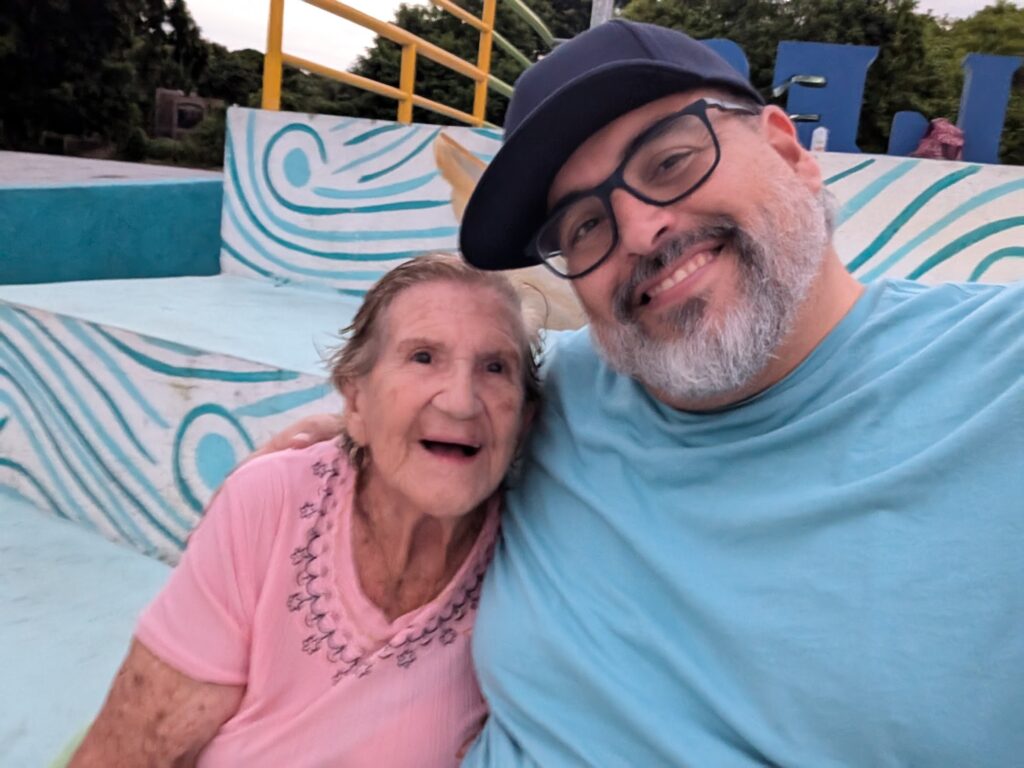
In October of 2024, I returned to Nicaragua to spend some time with my Grandmother. This time I traveled by myself. I spent a week connecting with family, and visiting many places on the Pacific side of the country.
I had a restful, joyful time visiting with my grandma, and connecting with my cousin, her children, various aunts and uncles – and people who were unrelated, but just as much part of the family.
And – again, the music. Sitting on the porch with my aunt, joking and laughing about how her nickname used to be “Night Nurse”, because of her provocative dance to that classic Gregory Isaac tune when she was much younger.
I decided I was ready to move forward with the music. I reached out to Mr. Lion, but we were not able to connect. He lives in Bluefields, on the Atlantic Coast, a region very hard to access from Managua the capital. We could not connect on that trip. However, we stayed in touch, and after the trip I sent Mr. Lion a selection of riddims I’d been developing. Cumbia rhythms in dancehall format. 808 drums meeting Cumbia percussion. Heavy dubwise Sleng Teng bass.

MR Lion recording “Cumbia Centroamericana”
He chose three tracks. His enthusiasm and drive were inspirational. He had recorded freestyle demos on the tracks within 20 minutes of receiving them. We began a process of him writing, me refining the arrangements, and finally – we were ready. I sent him money to travel to Managua (a 6 hour journey by chicken bus), and paid for two days in a professional recording studio. The outcome of that were the three vocal tracks from Riddims + Dubplates.
“Cumbia CentroAmericana” – Cumbia-dancehall fusion connecting Pacific and Atlantic Nicaragua
“Detalles Significativos” – dub reggae with cumbia sonidera elements, featuring Kevin Miller from Monkey on bass.
“Paraíso Terrenal” – celebrating the multiethnic Caribbean coast
The Pattern I Didn’t Know I Was Following
I’m presenting at the National Association for Chicana and Chicano Studies (NACCS) 2025 conference. The presentation is called “Beyond the Bassline: Soundsystems as the Infrastructure for Identity and Resistance.”
The research traces how marginalized communities across Latin America and the Caribbean built soundsystem cultures in response to exclusion. From 1950s Kingston where working-class Black residents created soundsystems when excluded from uptown clubs. To Colombia’s Caribbean coast where Afro-Colombians built massive picós in neighborhoods denied official spaces. To Brazil’s “Jamaican” region in Maranhão where geographic isolation from national radio led to radiolas playing Caribbean music.
To Nicaragua’s Atlantic coast where groups like Genesis, Cawibe, and Dimensión Costeña synthesized Caribbean and Latin sounds because they were culturally isolated from the Pacific coast. To the contemporary chinameras in Nicaragua’s mining triangle where artists assert their cultural identity in the face of displacement and exploitation from gold extraction. To the amazing music of the Miskito artists in Bilwi, Puerto Lempira, and the smaller communities.
The pattern repeats: marginalized communities excluded from official channels build their own infrastructure. They don’t ask permission. They create alternative spaces where they control the narrative, affirm their identity, and gather despite danger or displacement.
While preparing this presentation, I realized something – I didn’t consciously decide to follow this pattern when I started Momotombo Soundsystem in 2016. I thought I was just rebuilding after my own loss and trauma. But I was following the same pattern I’m now presenting as academic research.
“I didn’t consciously decide to follow this pattern when I started Momotombo Soundsystem in 2016. I thought I was just rebuilding after my own loss and trauma. But I was following the same pattern I’m now presenting as academic research.”
– Gustavo Lanzas
Portland’s electronic music scene shut me out. My brother had been imprisoned, deported and died. I lost my job. Ghost Ship took friends I loved. Every system that was supposed to be there for me, failed me.
So I built my own infrastructure. Small. Hand-built. Connected to my roots. Not competing with anyone because I wasn’t trying to win their competition anymore. Coming from a place of sharing and generosity instead of exclusion and competition.
That’s what we do. It’s not a choice I made consciously. It’s a pattern older than any of us. It’s in our blood, going back to drums in the darkness, dancing together around a fire. It goes back to the native peoples. To Africa. To the times long ago we don’t even know about.
Why This Matters Now
In 2025, Latino communities across the United States face systematic targeting. Immigration and Customs Enforcement raids, assaults, and detains people based on racial profiling. Stops are justified by appearance, accent, speaking Spanish. Unconstitutional and outright illegal tactics are being use to spread fear through both documented and undocumented communities. Parents are afraid to enroll children in programs, participate in public events, or sometimes just be out in public. Families are afraid to gather. People are just being disappeared.
This is exactly when our music, our dance, our culture – including our soundsystem traditions – become essential.
That 1977 party in El Tránsito from so long ago – it happened during Nicaragua’s civil war. An uncertain time filled with danger and fear. People gathered and danced late into the night despite the danger. That wasn’t escapism. That was survival. Creating a space to affirm their identity when identity is under threat. Finding joy, when every day is a greater challenge than the last.
In 2025, as Latino communities face hostility and uncertainty in this country, we can go back to this same pattern. Every soundsystem toque, every backyard gathering, every Cumbia night, every quinceañera with a sonidero, every basement dancehall session, every drive with the windows down and Cumbia or Soca or Dancehall blasting on the stereo – these aren’t just parties or music. They’re political acts.
Every soundsystem toque, every backyard gathering, every cumbia night, every quinceañera with a sonidero, every basement dancehall session, every drive with the windows down and Cumbia or Soca or Dancehall blasting on the stereo – these aren’t just parties or music. They’re political acts.
– Gustavo Lanzas
Puerto Rican Reggaeton star Bad Bunny alludes to it in his short companion film to the album “Debi Tirar Mas Fotos” – Jacobo Morales’s character becomes excited and exclaims “escucha! Escucha!” as a young person drives by blasting Bad Bunny from their car, lamenting that he hardly hears the young people and their music, the sounds of the barrio – due to the displacement of locals and gentrification of Puerto Rico by wealthy tax-avoiding Americans. His companion, Concho the toad responds with “why don’t you do it yourself?”
When official channels exclude you or actively threaten you, you build your own spaces. You gather despite the danger. You affirm who you are through music and dance. You create a community when systems try to fragment it.
Beyond the Bassline
My NACCS presentation will show how this pattern repeats across time and geography. From African drums banned under slavery to cumbia emerging on Colombia’s Caribbean coast. From Congo Square gatherings outlawed in 1843 to jazz emerging in New Orleans. From Jamaica’s soundsystems in the 1950s to champeta in Cartagena. From Nicaragua’s BSS training cultural ambassadors from 2004-2016 to Mr. Lion continuing that work today.
The presentation includes video interviews with Mily Iriarte, a feminist pickotera from Colombia who explains how champeta becomes “a strategy for the assertion of popular rights and an anti-racist practice.”
With Diper Sound, a Mexico City sonidero discussing how soundsystems serve communities through quinceañeras and community gatherings, built from DIY and repurposed equipment.
With Mr. Lion speaking how BSS empowered young artists on Nicaragua’s marginalized Caribbean coast, and his impressions comparing Nicaragua to his experiences in Brixton in the UK.
But I’m not just presenting academic research. I’m presenting my own lived experience.
I followed this pattern without fully understanding it. Built alternative infrastructure when mainstream scenes excluded me. Reconnected with my culture after systems failed me. Created a miniature soundsystem that bridges Portland and Bluefields.
My collaboration with Mr. Lion – Riddims + Dubplates – is part of that ongoing pattern. Small soundsystem in Oregon connecting with an artist in Bluefields. Cumbia meeting dancehall. 808s meeting güiro, conga and dub bass. Continuing the conversation BSS started, that Dimensión Costeña started before that, that soundsystem culture has always been about.
Miniature in Size, Powerful in Spirit
That promoter in 2013 said “soundclash, Jamaican style!” thinking it meant territorial competition. He had it backwards.
Soundsystem culture isn’t about winning competitions. It’s about building infrastructure your community needs when official channels exclude you. It’s about being small and powerful. It’s about cultural preservation over market position. It’s about gathering when gathering is difficult or dangerous.
– Gustavo Lanzas
Soundsystem culture isn’t about winning competitions. It’s about building infrastructure your community needs when official channels exclude you. It’s about being small and powerful. It’s about cultural preservation over market position. It’s about gathering when gathering is difficult or dangerous.
Those park parties we organized with Closer – borrowing equipment, communally assembling a system, free music for families and homeless people and park rangers – that was soundsystem thinking. I didn’t know it then, but I was already practicing it.
After my brother died, after I lost my job, after Ghost Ship took friends I loved, I could have walked away from music entirely.
Instead, I found my way back. Not to the scenes that never had space for me. Back to cumbia. Back to Caribbean sounds. Back to Nicaragua. Back to the music and culture that was always mine.
Mr. Lion learned it at BSS: You don’t need permission or validation from outside. You build what your community needs.
This isn’t just history. It’s happening now. The pattern emerges again and again.
Riddims + Dubplates is available on Bandcamp and other digital platforms.
I’ll be presenting “Beyond the Bassline: Soundsystems as the Infrastructure for Identity and Resistance” at the National Association for Chicana and Chicano Studies conference November 8th, 2025.